Logan Braun · 11 October 2026
Decoding the Impact of Cross Platform Content Repurposing on Audience Retention Metrics in Targeted Markets
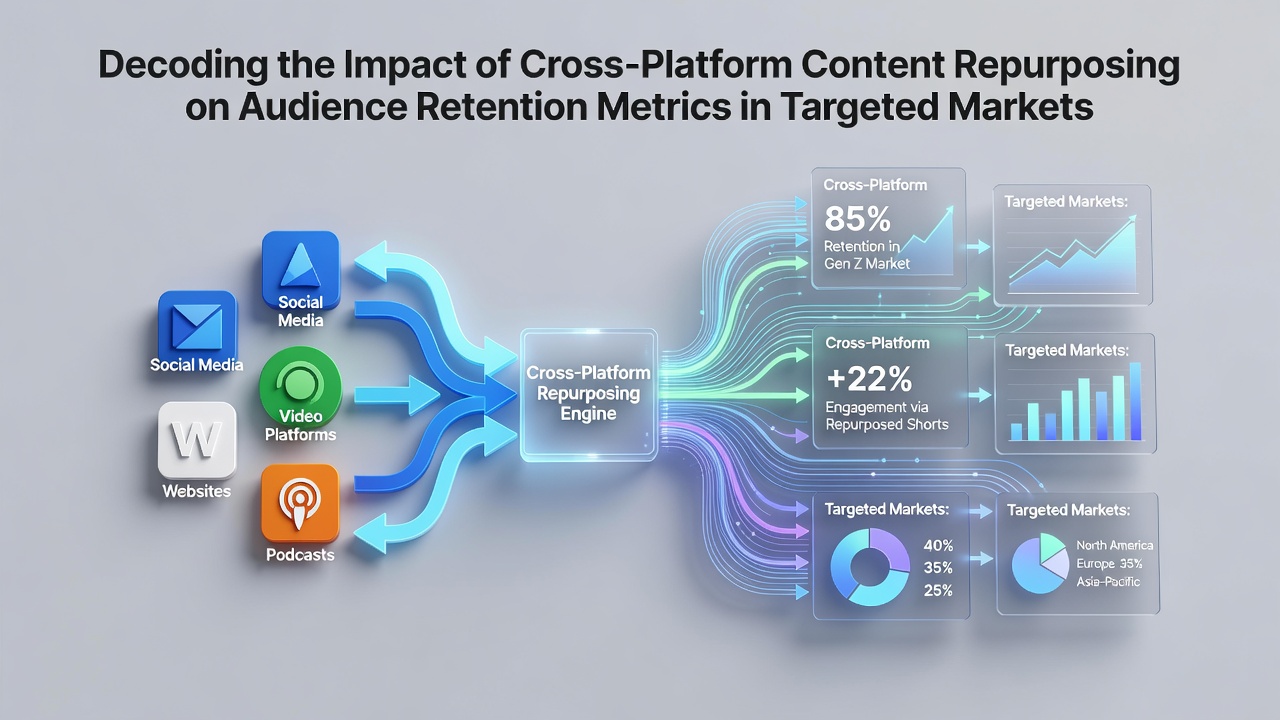
Cross platform content repurposing involves adapting material originally created for one channel into formats suitable for others, and researchers have tracked how this practice influences audience retention metrics such as average view duration, return visit rates, and completion percentages in specific demographic and geographic segments. Data collected across multiple platforms shows that repurposed clips from long form videos often maintain higher retention when shortened for mobile feeds, while studies indicate that targeted markets respond differently based on local consumption habits and device preferences.
Defining Cross Platform Repurposing Practices
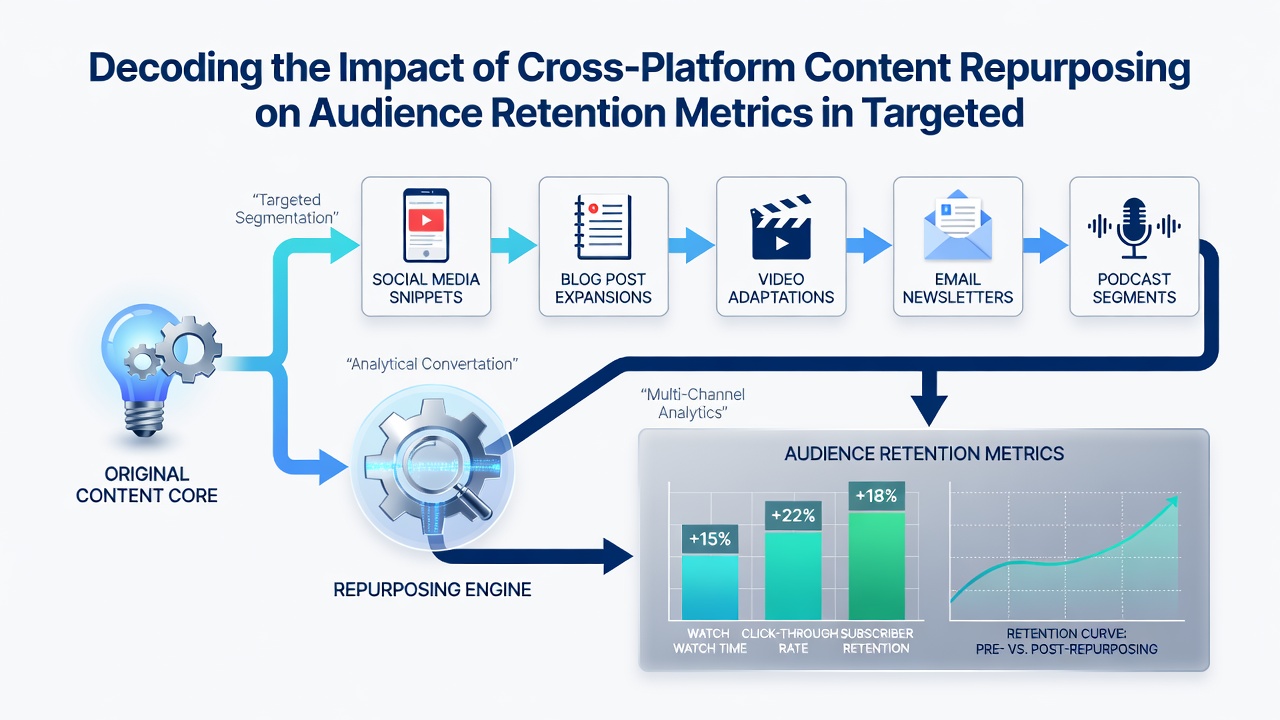
Teams at media organizations take original posts, videos, and articles then adjust length, aspect ratio, captions, and calls to action to match the requirements of each destination site, and this process has become standard since platforms introduced algorithm changes that reward consistent posting across channels. Observers note that repurposing succeeds when the core message remains intact yet the delivery style shifts to suit shorter attention spans on certain networks versus deeper engagement on others, while figures from industry reports reveal that companies using structured repurposing workflows see measurable lifts in retention numbers compared with those posting identical files everywhere.
Audience Retention Metrics Under Examination
Analysts focus on several key indicators when evaluating repurposed content performance, including session duration, bounce rates, and repeat engagement frequency within defined market segments such as urban professionals in North America or younger users in Southeast Asia. Research indicates that retention improves when repurposed material incorporates platform specific elements like interactive stickers or localized references, and datasets compiled over recent quarters demonstrate that markets with higher mobile penetration exhibit stronger retention on short form adaptations than on desktop oriented versions of the same material.
Regional Variations in Retention Outcomes
Targeted markets display distinct patterns once content moves across platforms, with evidence from North American campaigns showing that repurposed educational snippets retain viewers longer on professional networks than entertainment clips do on visual first services. In contrast, data gathered in European markets points to stronger retention when repurposed items include subtitles and regional references that align with local languages and cultural touchpoints, while figures from Statistics Canada highlight how bilingual adaptations in Canadian provinces contribute to sustained audience return rates across both English and French language feeds.
What's interesting is how timing affects these outcomes, because content published during peak local hours tends to hold attention better regardless of the repurposing method applied. And researchers continue to examine whether the original platform's audience demographics carry over or shift when material reaches secondary channels in new territories.
Measurement Approaches and Data Collection
Organizations rely on integrated analytics suites that pull retention numbers from multiple platforms into unified dashboards, allowing comparisons between original and repurposed versions within the same campaign. According to reports issued by the Pew Research Center, audiences in the United States show measurable differences in completion rates when the same story appears in both long form articles and condensed social updates, and similar patterns appear in datasets from other regions where device usage and connectivity levels vary. Teams track these metrics over weeks rather than single sessions to capture repeat visits that indicate deeper retention rather than one time clicks.
Factors That Shape Retention After Repurposing
Several variables interact when repurposed content reaches new audiences, including format adjustments, posting frequency, and alignment with trending topics within each targeted market. Evidence suggests that markets with strong community norms around content sharing experience higher retention when repurposed items encourage comments or user generated follow ups, whereas regions with lower interaction rates show steadier but less variable retention curves. Observers have recorded that visual consistency across platforms helps maintain brand recognition, which in turn supports longer view times even when the underlying material has been heavily edited for length or style.
But here's the thing: retention does not rise uniformly, because some repurposed pieces lose nuance during adaptation and that loss shows up in lower completion percentages for complex topics. Researchers continue to refine testing methods that isolate the effect of repurposing itself from other variables such as seasonal interest spikes or platform algorithm updates.
Conclusion
Cross platform content repurposing produces measurable shifts in audience retention metrics across targeted markets, with outcomes shaped by format choices, regional habits, and measurement consistency. Data from multiple sources confirms that systematic adaptation yields different results than random reposting, and ongoing collection efforts supply clearer pictures of how retention evolves as platforms and audiences change. Organizations that monitor these patterns through unified analytics gain clearer views of performance across channels, while continued examination of regional datasets supports more precise targeting in future campaigns.